Aloha Cloud POS
Shaping next generations POS experiences
Role
Lead UX
Industry
Hospitality
Duration
2 Years

Project Overview:
Aloha Cloud is a powerful, easy-to-use Point of Sale (POS) and operations platform designed to meet the fast-paced demands of modern restaurants. Whether you run a single location or manage multiple sites, Aloha Cloud provides the tools you need to elevate guest experiences and streamline back-of-house operations all from one seamless system.
Built with restaurant-grade hardware and intelligent cloud-based software, Aloha Cloud empowers your staff with fast, intuitive workflows on the front line, while giving your management team robust control behind the scenes.
Shaping next-generation restaurant POS experiences
As the lead designer for more than two years, my role was not only to deliver seamless user experiences but also to align with business goals winning operator trust, driving adoption, and enabling scalability across markets. My responsibility spanned from research and ideation to high-fidelity design execution, ensuring the product delivered both functional excellence and intuitive user experiences across all touchpoints.
Aloha Cloud is one of the leading restaurant POS solutions in the market, trusted by thousands of restaurants to run their daily operations. I specialized in designing scalable, human-centered solutions for complex enterprise workflows, with a strong focus on restaurant POS. Over this period, I successfully delivered 25+ major features that balanced operational efficiency for staff with delightful experiences for guests.
Roles & Responsibilty
Design Leadership & Planning
Led a cross-functional design team through iterative sprints, reviews, and workshops. Acted as a bridge between product management, engineering, and marketing teams to advocate for user needs.Created responsive experiences for diverse devices, touch terminals, tablets, kiosks, and cloud-based admin panels with a focus on performance, accessibility, and ease of use.
User Research & Insights
Conducted in-depth field studies, stakeholder interviews, and usability testing with restaurant operators, servers, and managers to uncover pain points in real-world environments.System Design & Consistency
Developed and maintained a scalable design system for Aloha Cloud, enabling consistency across POS terminals, mobile dashboards, and back office setups. (Multi-platform UX)Prototyping & Validation
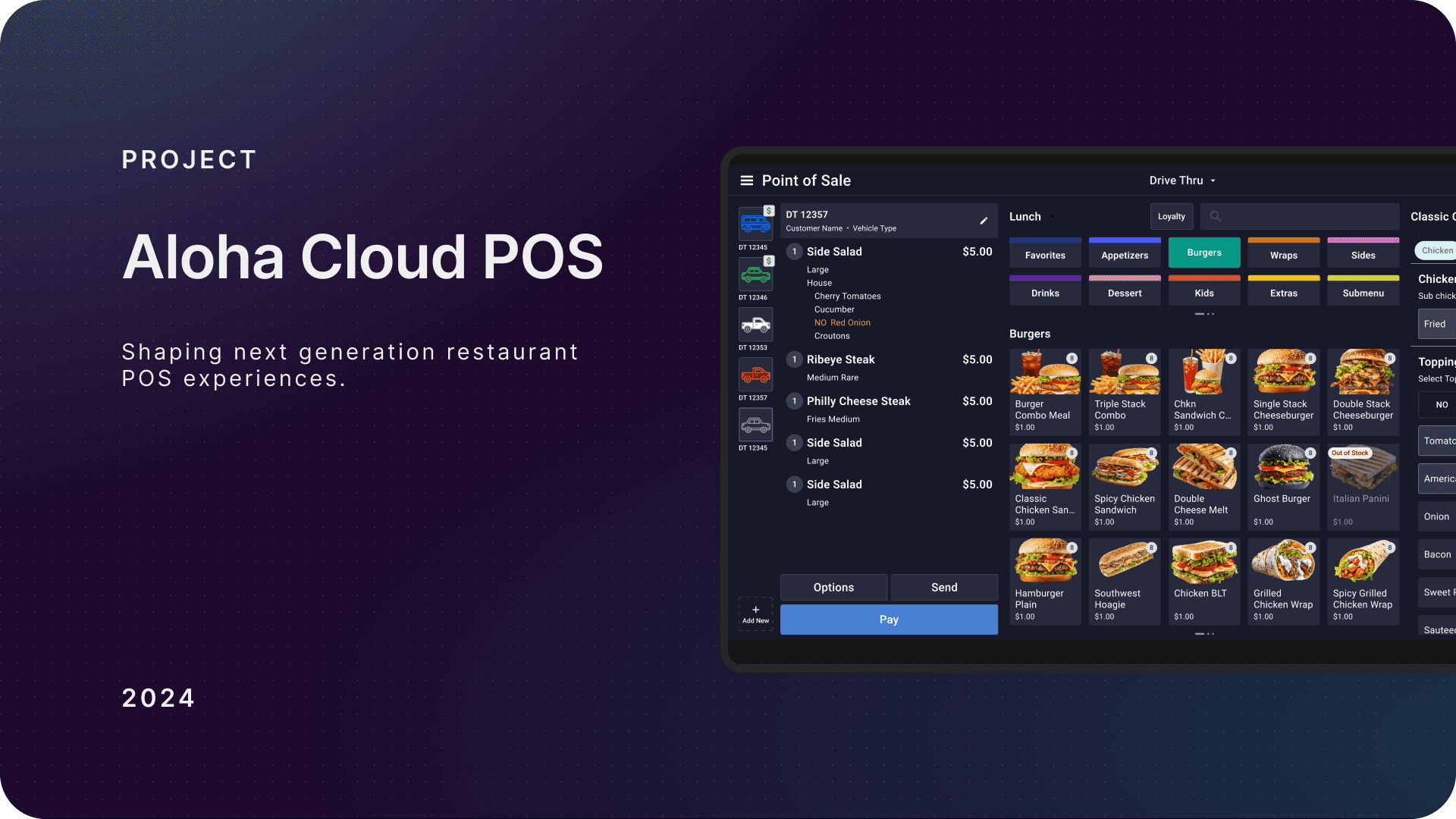
Built and tested high-fidelity prototypes in Figma to simulate critical workflows and features (order management, order modes, loyalty for quick service and table service), validating interactions before development.Stakeholder Collaboration
Worked closely with product owners and enterprise clients to prioritize features based on user impact and operational feasibility. Evaluated and audited the UX implemented product with engineers in line with usability principles and recommended design changes, increasing customer satisfaction.
UX Planning
The UX planning phase was initiated by gathering high-level requirements from the product team and conducting kickoff calls with key stakeholders to align on business goals, user needs, and technical feasibility. Early discussions were instrumental in shaping a clear UX roadmap defining what needs to be prioritized and when. Following agile methodologies, we maintained recurring sync-ups with the product team to continuously refine requirements, clarify scope, and translate evolving goals into actionable UX tasks.

Effective planning ensures that design efforts stay aligned with business goals, user needs, and development timelines. My approach to UX planning includes:
Roadmap Planning
Define and prioritize UX workstreams within the larger product roadmap, balancing short-term sprint needs with long-term vision.Requirement Prioritization
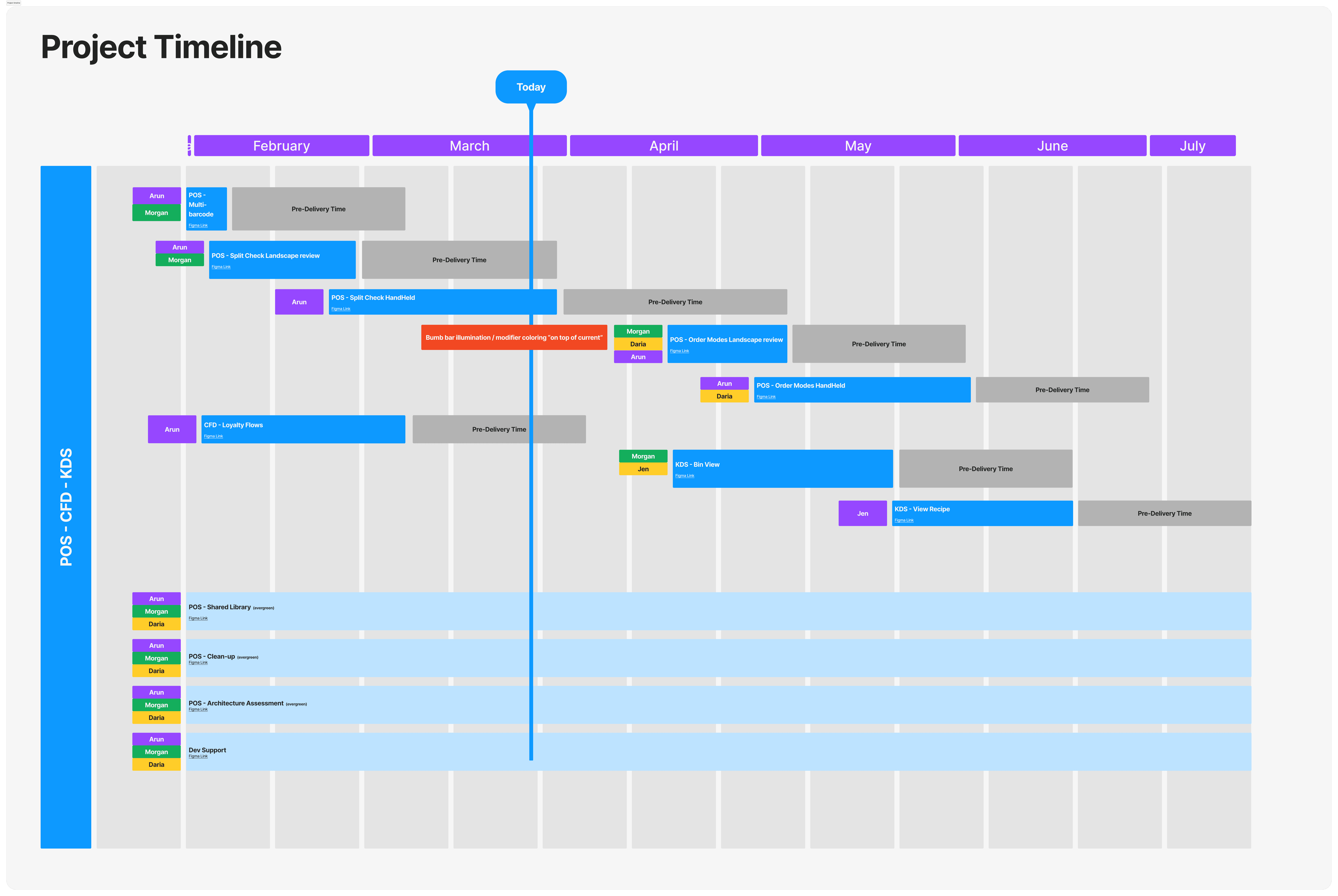
Facilitate UX check-in calls with product managers to refine, prioritize, and scope requirements for ongoing and upcoming sprints.Project Timeline & UX Checklist
Create clear project timelines, milestones, and internal UX checklists to ensure visibility and accountability across design activities.Cross-functional Alignment
Collaborate with product, engineering, and business stakeholders to align on priorities and manage dependencies early.Design Capacity Planning
Estimate design effort, allocate resources, and track bandwidth across the design team to avoid bottlenecks.Risk & Gap Identification
Identify potential UX gaps or risks in advance and proactively raise them to the team for resolution.Documentation & Tracking
Maintain design documentation, research insights, and decision logs for transparency and easy reference throughout the project lifecycle. A large part of my contribution involved solving systemic design challenges
Key areas of work:
Building and refining the design system to bring structure, consistency, and scalability across multiple cross-products.
Designing with a future-proof lens, ensuring workflows could adapt to new order modes, regulations, and integrations.
Partnering with product and engineering to transform ambiguous business requirements into intuitive user flows.
Running user research, prototyping, and usability testing to validate design decisions and reduce friction in adoption.
Selected Complex Features:
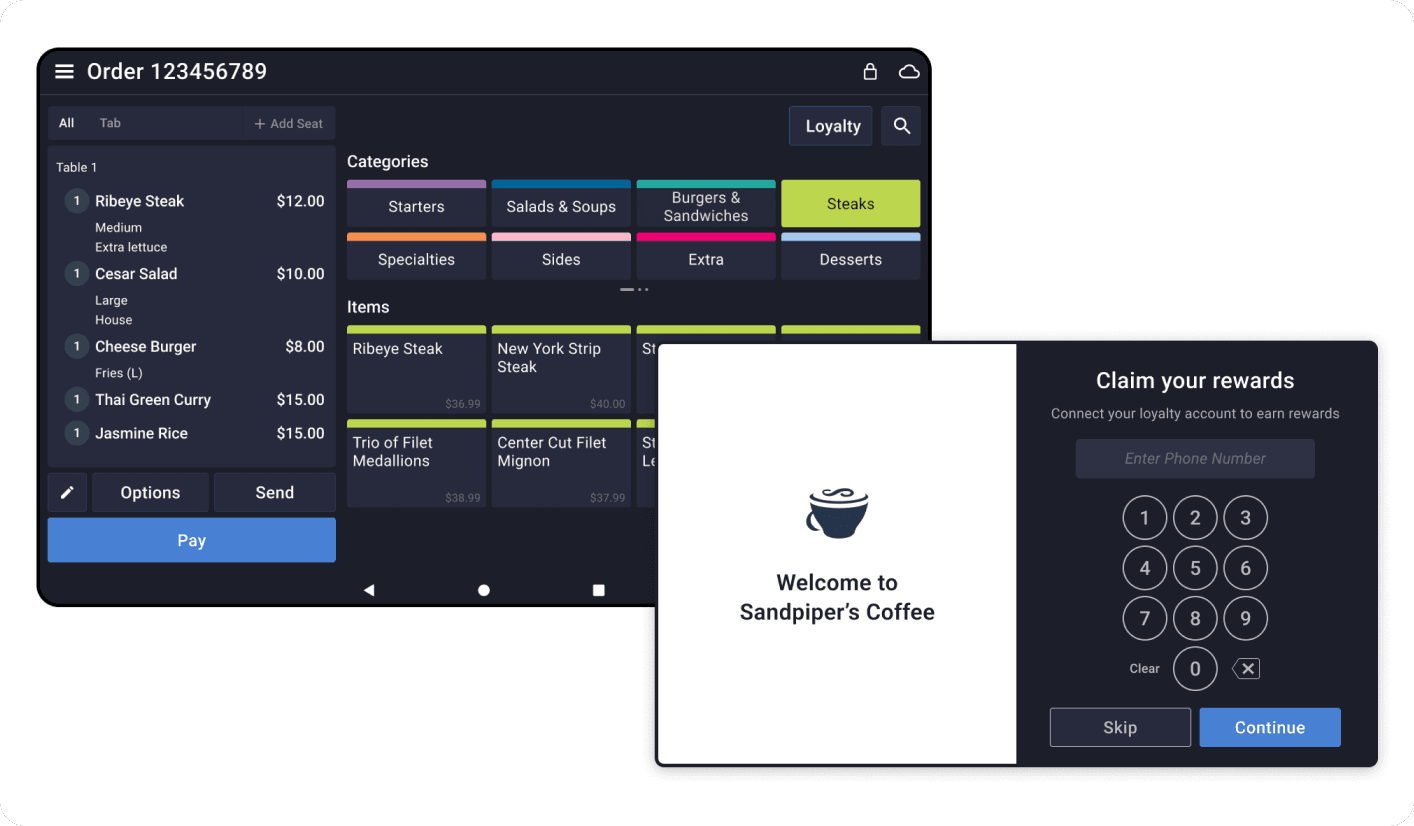
Customer Loyalty Flows – Designed integrated loyalty experiences that connect restaurant POS with customer-facing displays, ensuring both operators and guests benefit from a seamless, engaging flow.

Guest Check Presenter Mode – Built flexible presenter experiences tailored for different order modes (dine-in, bar, takeout), reducing staff errors and improving guest clarity.
Complex Split Check – Simplified one of the most challenging POS workflows by creating intuitive split methods (by item, seat, or custom amounts), minimizing training time for staff.
POS Notifications & Messages – Designed real-time alerts and communication tools within the POS, enabling staff to stay updated on order changes, shift updates, and system events—without disrupting their workflow.
Conversational Ordering – Introduced natural language-based ordering flows to streamline input speed, reduce cognitive load, and create more human interactions between staff and guests.UX Planning
I actively contributed to writing and shaping UX-specific requirements, ensuring they supported both user experience quality and business value. Throughout the process, our role extended beyond execution as we helped steer conversations toward what the business and product truly needed from a UX standpoint, advocating for scalable, user-centered solutions that align with long-term strategic objectives.
Design Excellence
Research - Competitor Study
Some of our competitors are Revel, Square POS, Toast and Lightspeed. While these competitors bring specific strengths to the table whether it's UI polish, e-commerce, or ease of setup Aloha Cloud differentiates itself by offering enterprise-grade reliability, robust multi-location management, deep operational insights, and purpose-built hardware for restaurant environments. It’s a platform designed not just to sell food, but to run the entire restaurant business without any hassle.
System Design & Consistency
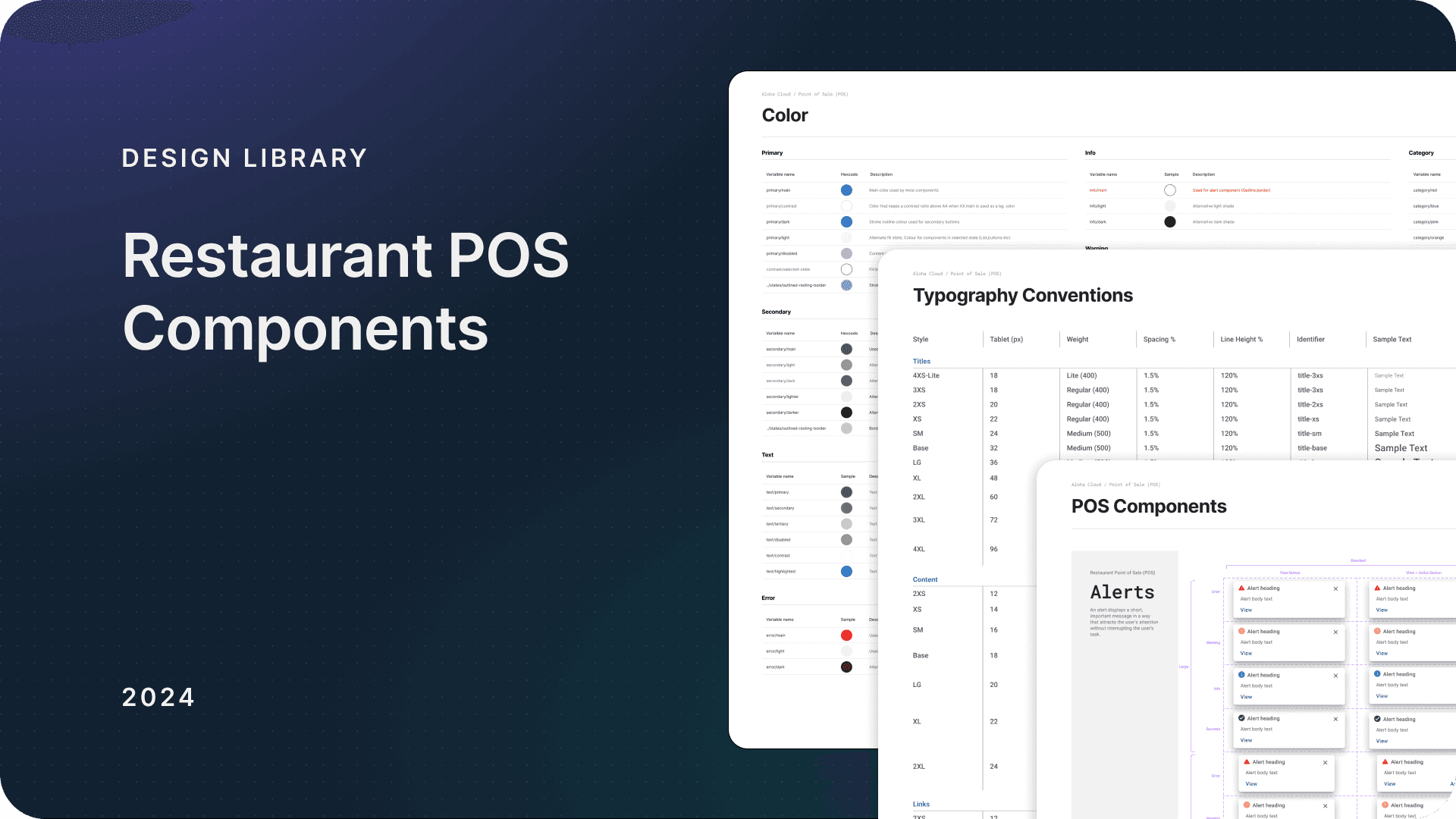
Collaborated with fellow designers to build a comprehensive design system and component library tailored specifically for our restaurant ecosystem products. This involved conducting UI audits, establishing visual guidelines (typography, color, spacing, iconography), and defining reusable components to ensure consistency across POS terminals, mobile interfaces, and back-office tools. We worked closely with engineers to maintain design-to-development parity, supported accessibility standards, and documented usage patterns to guide scalable design decisions.
The system was continuously iterated based on evolving product needs, feedback from internal teams, and real-world usage insights, ultimately streamlining collaboration, reducing design debt, and delivering a cohesive user experience across the platform.
Prototypes and Validation
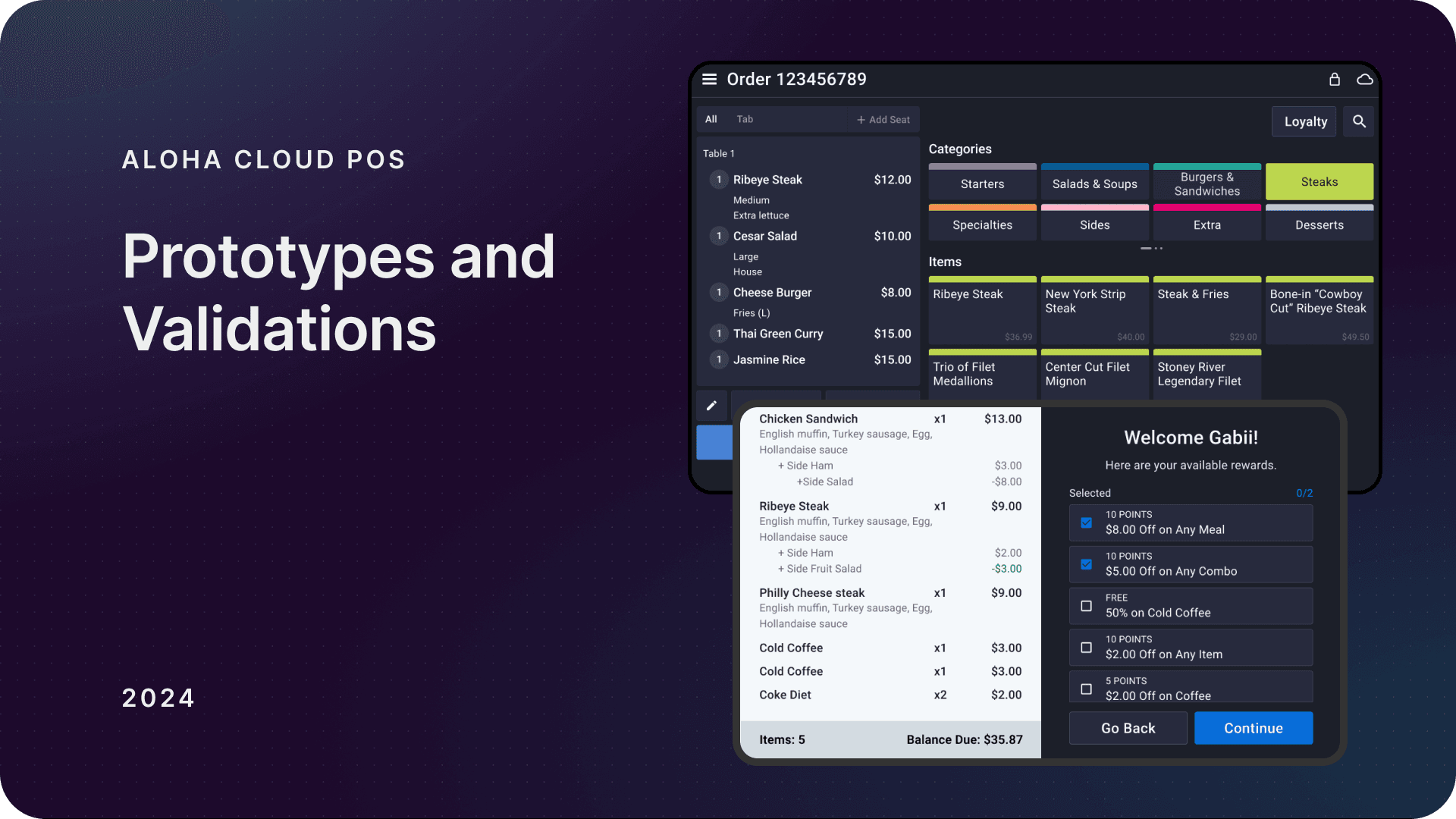
To ensure a high-impact and user-centered design, I began with comprehensive industry research analyzing best practices and studying competitor platforms to understand what works, what doesn’t, and where we could differentiate. This research directly informed the creation of detailed user flows, helping to align the product vision with real-world needs before any design work began.
I designed and tested high-fidelity prototypes in Figma, simulating critical workflows across both quick service and table service models including order management, multi-mode ordering, and loyalty features. These interactive prototypes were instrumental in validating user interactions, edge cases, and system feedback prior to development.
Throughout the process, I continued to explore low-fidelity wireframes and interactive sketches to identify design gaps, validate micro-interactions, and facilitate early feedback from cross-functional teams. This iterative approach ensured we weren’t just building for what the business needed but for what the end users intuitively expected.
In collaboration with developers and product managers, I also ensured that design specifications were production-ready, accessible, and aligned with the broader design system. Design critiques, usability sessions, and data-informed refinements helped us continuously raise the bar on product quality and create a seamless, intuitive, and scalable experience for all user roles from servers to managers.
To ensure a high-impact and user-centered design, I began with comprehensive industry research analyzing best practices and studying competitor platforms to understand what works, what doesn’t, and where we could differentiate. This research directly informed the creation of detailed user flows, helping to align the product vision with real-world needs before any design work began.
I designed and tested high-fidelity prototypes in Figma, simulating critical workflows across both quick service and table service models, including order management, multi-mode ordering, and loyalty features. These interactive prototypes were instrumental in validating user interactions, edge cases, and system feedback prior to development.
Throughout the process, I continued to explore low-fidelity wireframes and interactive sketches to identify design gaps, validate micro-interactions, and gather early feedback from cross-functional teams. This iterative approach ensured that we weren’t just building for what the business needed, but also for what the end users intuitively expected.
In collaboration with developers and product managers, I also ensured that design specifications were production-ready, accessible, and aligned with the broader design system. Design critiques, usability sessions, and data-informed refinements helped us continuously raise the bar on product quality and create a seamless, intuitive, and scalable experience for all user roles, from servers to managers.
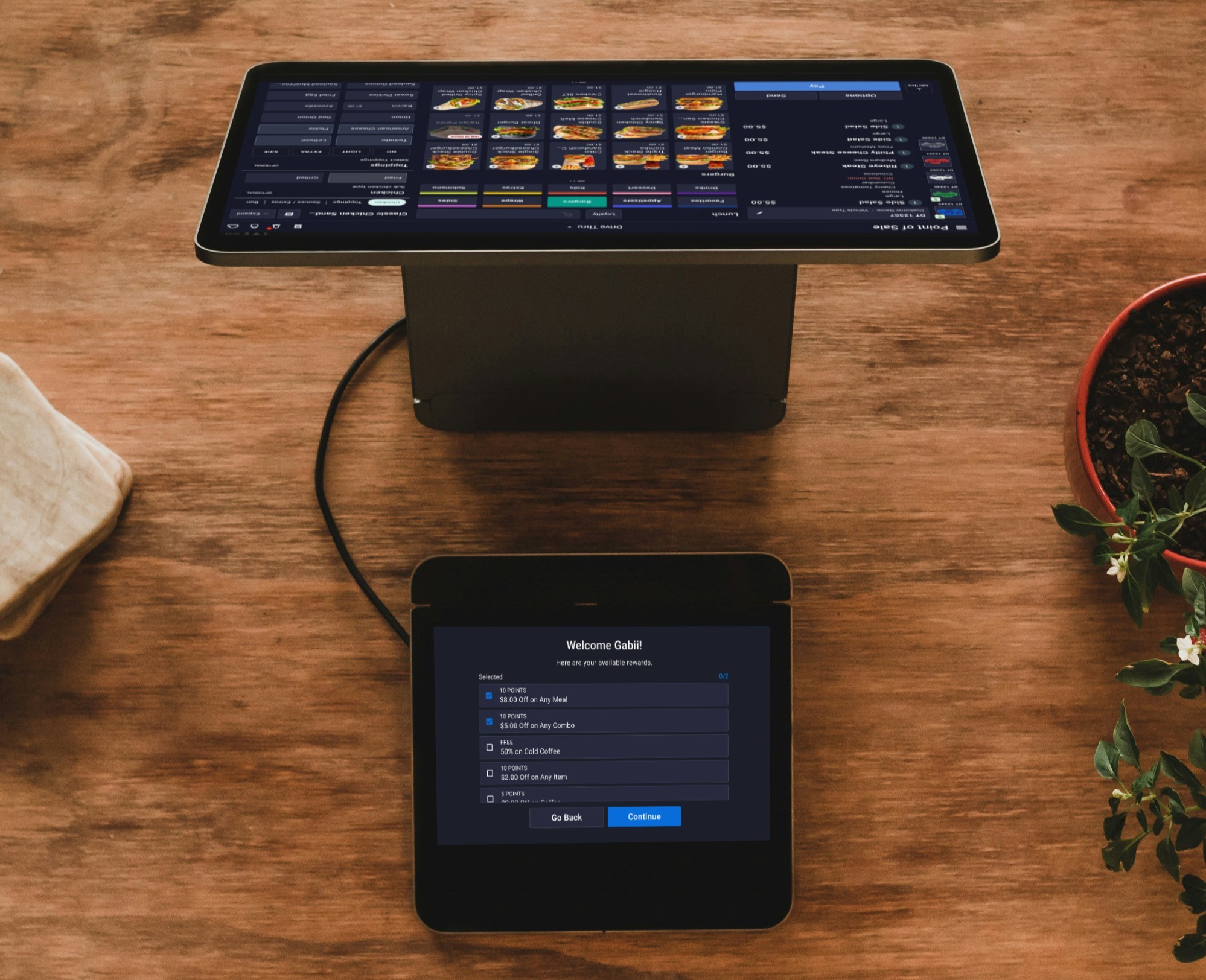
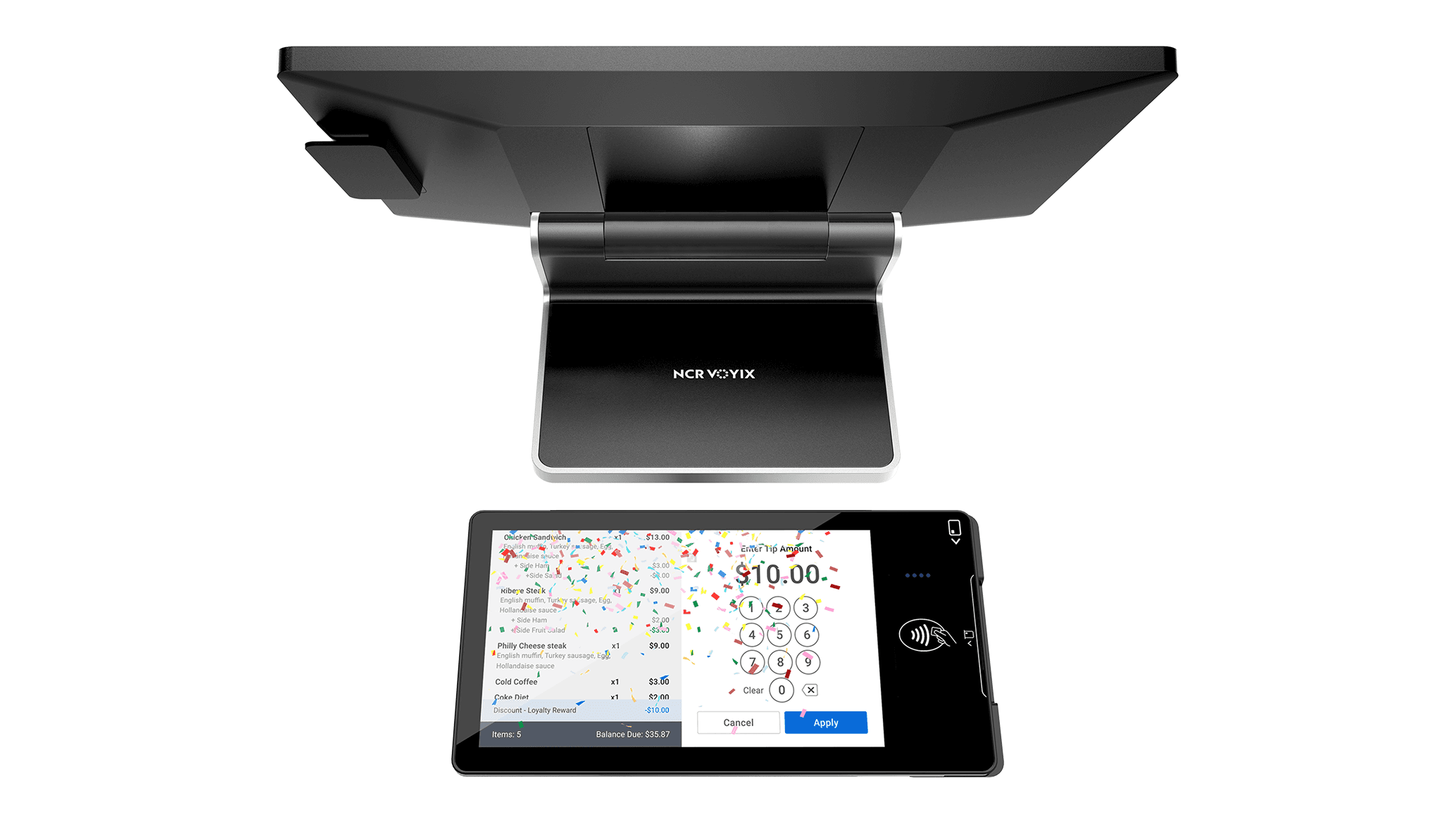
Developed simultaneous loyalty flows for Point-of-Sale and Customer-Facing Displays, enabling real-time, synchronized interactions across platforms.
Ideal Flow:

User Testing & Customer Feedback Loops
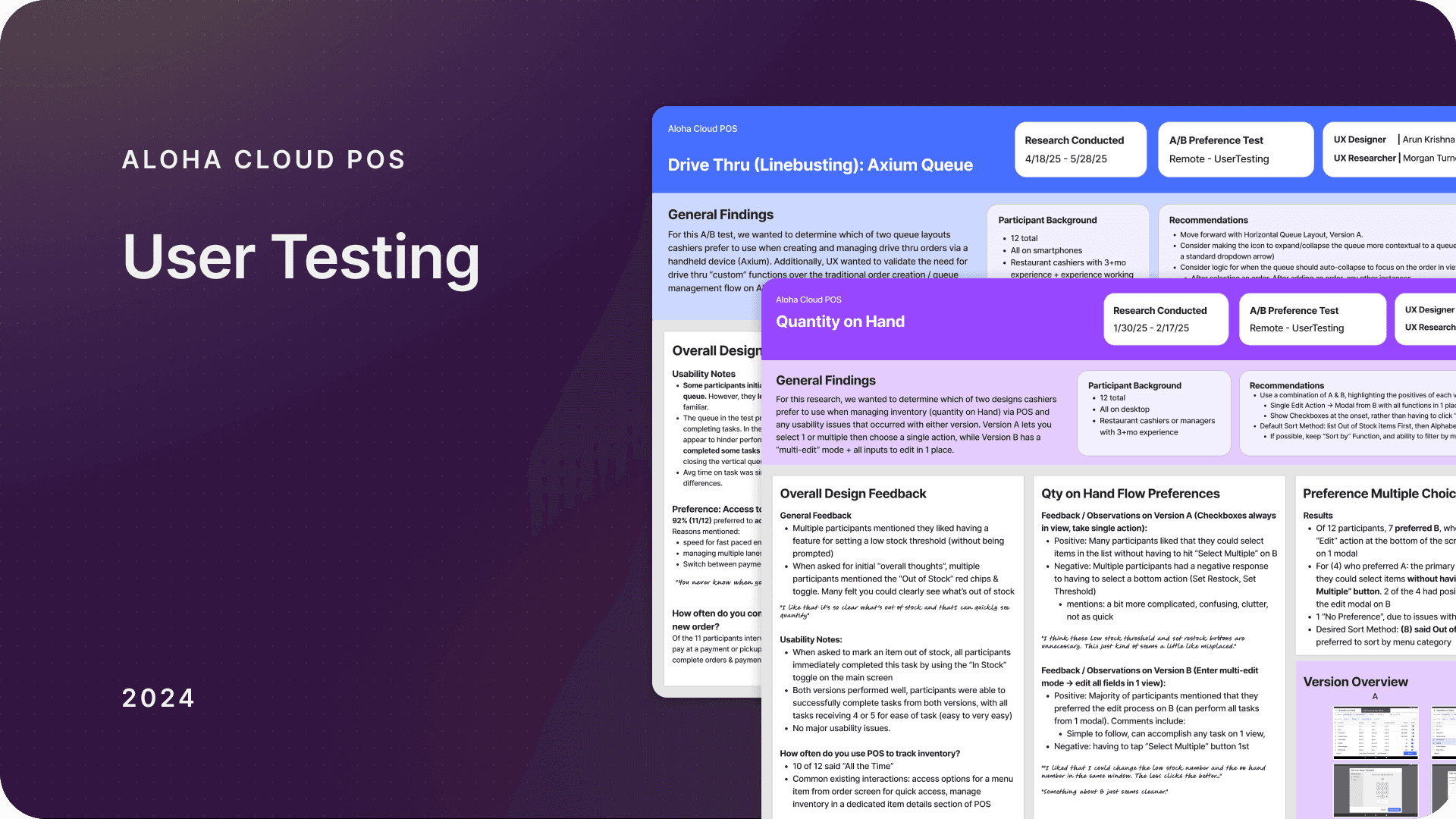
To ensure the designs were not only functional but truly user-friendly, we conducted ongoing user testing sessions with real restaurant staff, including servers, managers, and kitchen personnel across both quick service and table service environments. These sessions helped us observe how users interacted with key workflows in real-world scenarios, uncovering friction points that may not have surfaced in internal reviews. We also engaged with customer feedback groups made up of early adopters and power users to validate features, gather qualitative insights, and identify unmet needs. Feedback was continuously synthesized into actionable design improvements, shaping everything from layout adjustments and button placement to feature prioritization and system behavior. This tight feedback loop helped us deliver a product that not only looked good but worked intuitively in the fast-paced, high-pressure contexts of modern restaurant operations.
As the Lead UX Designer for Aloha Cloud POS, I was responsible for redesigning and optimizing the user experience of our cloud-based point-of-sale system, specifically tailored for the restaurant industry. A major part of this initiative involved enhancing the usability and efficiency of the platform for restaurant staff from servers and cashiers to kitchen staff and managers all within the context of fast-paced, high-pressure environments.
To ensure the designs truly met user needs, I conducted moderated usability testing with real users, including restaurant staff from various operational roles. We used a remote user testing platform to facilitate structured testing sessions, allowing us to observe how users interacted with new workflows and interfaces in real-time. These sessions provided invaluable insights into pain points, user behaviors, and efficiency gaps.
In parallel, I collaborated closely with product and business teams to ensure that user goals such as faster order entry, fewer taps, and intuitive navigation were aligned with broader organizational objectives like reducing training time, improving order accuracy, and increasing throughput.
This iterative design process, grounded in direct user feedback, allowed me to refine interfaces, streamline interactions, and introduce context-aware features that significantly improved task completion times. The outcome was a more intuitive and efficient POS system that supported both training environments (for onboarding new staff quickly) and day-to-day operations, resulting in improved user satisfaction and stronger alignment with business outcomes.
————————————————————————————————————————————
(I’d be happy to share more detailed case studies and work files over a call)
Other projects
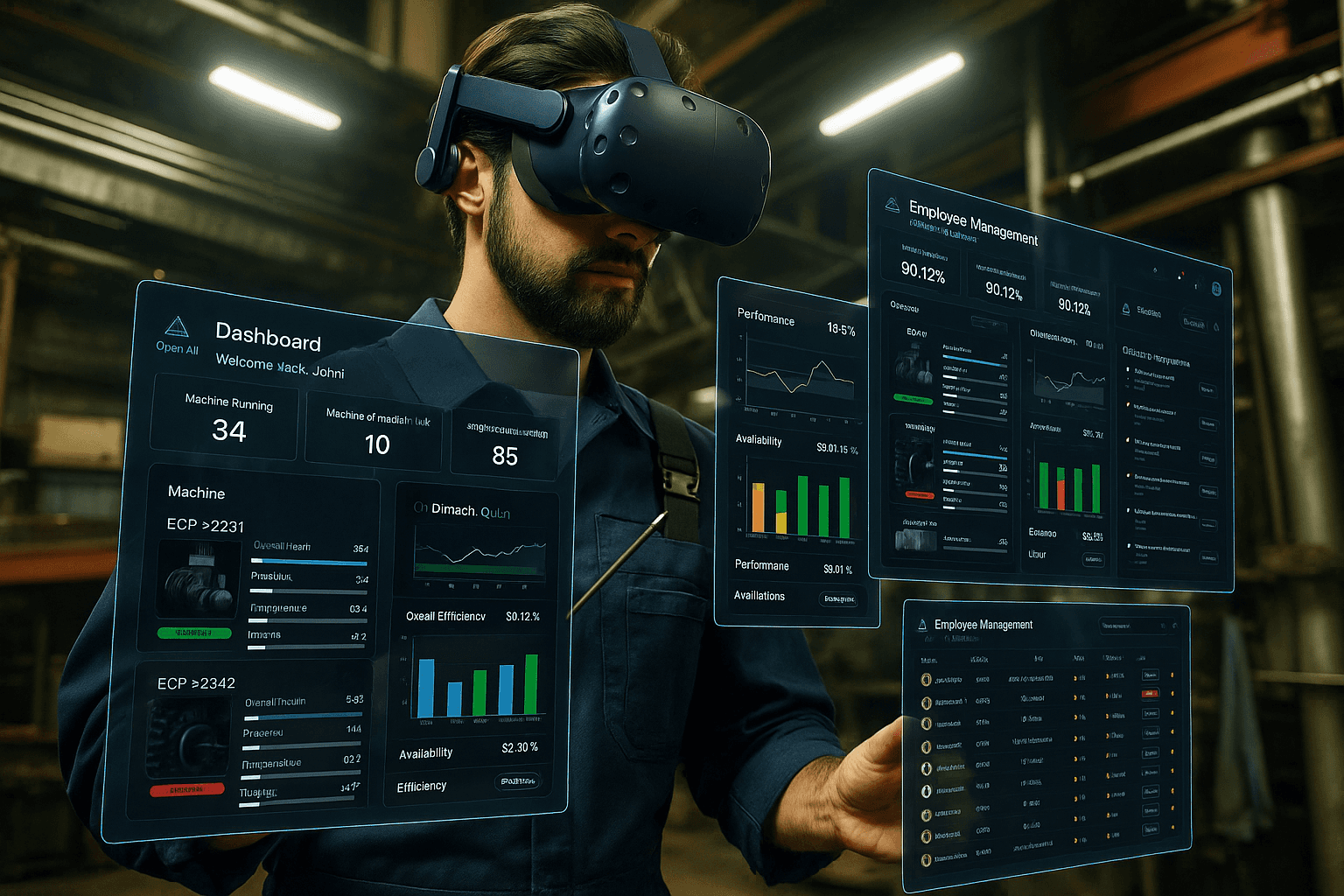
Optra AI - Interactive Dashboard
AI powered system that helps manufacturing supervisors monitor machine performance in real time and assign the right workers to the right tasks for smoother, more efficient plant operations.
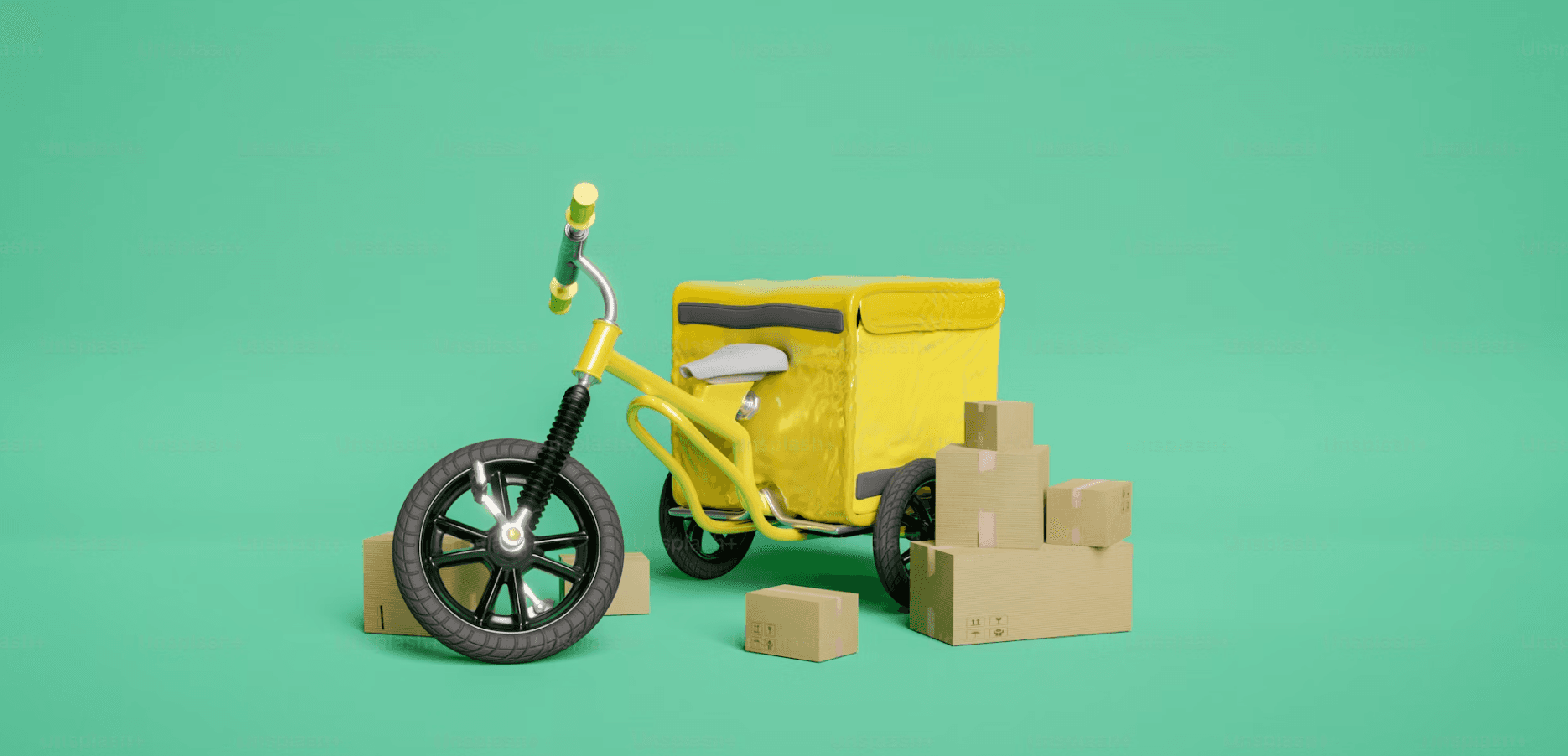
Quick Commerce with AI assistant - Case Study
AI shopping assistant to support customer purchases online for quick commerce platform to efficiently give suggestions and recommendations for users to make more informed and faster decisions.
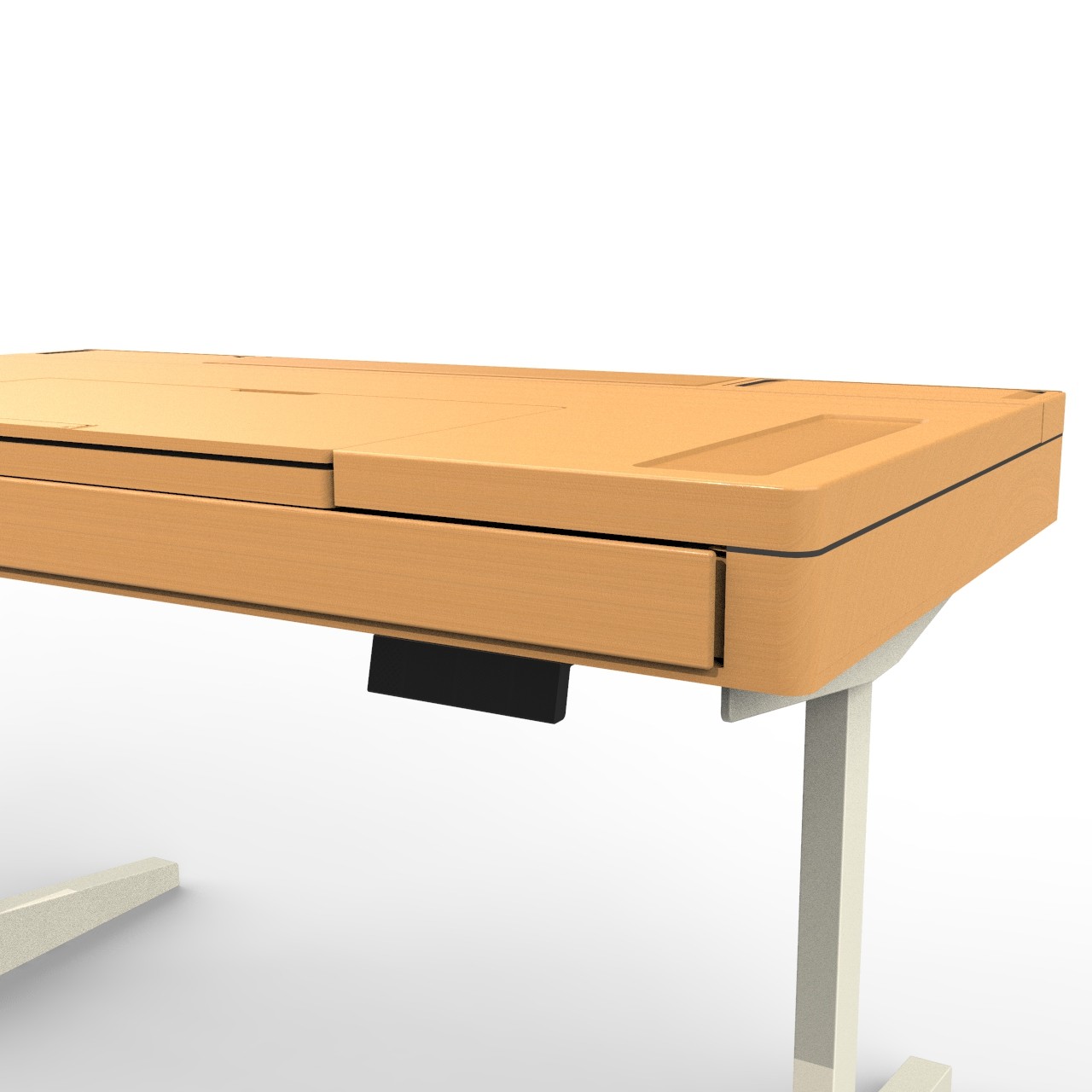
Designer's Workspace
Reimagining Designer's workspace through ergonomic lens